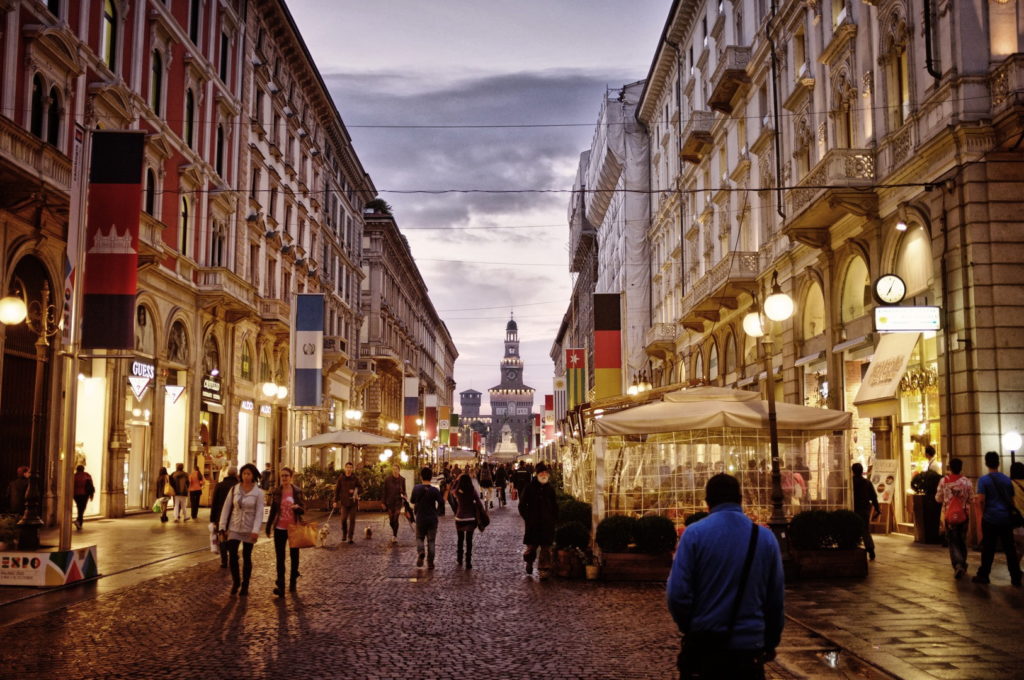
Tour through Southern Italy: tradition, gastronomy, and wellness
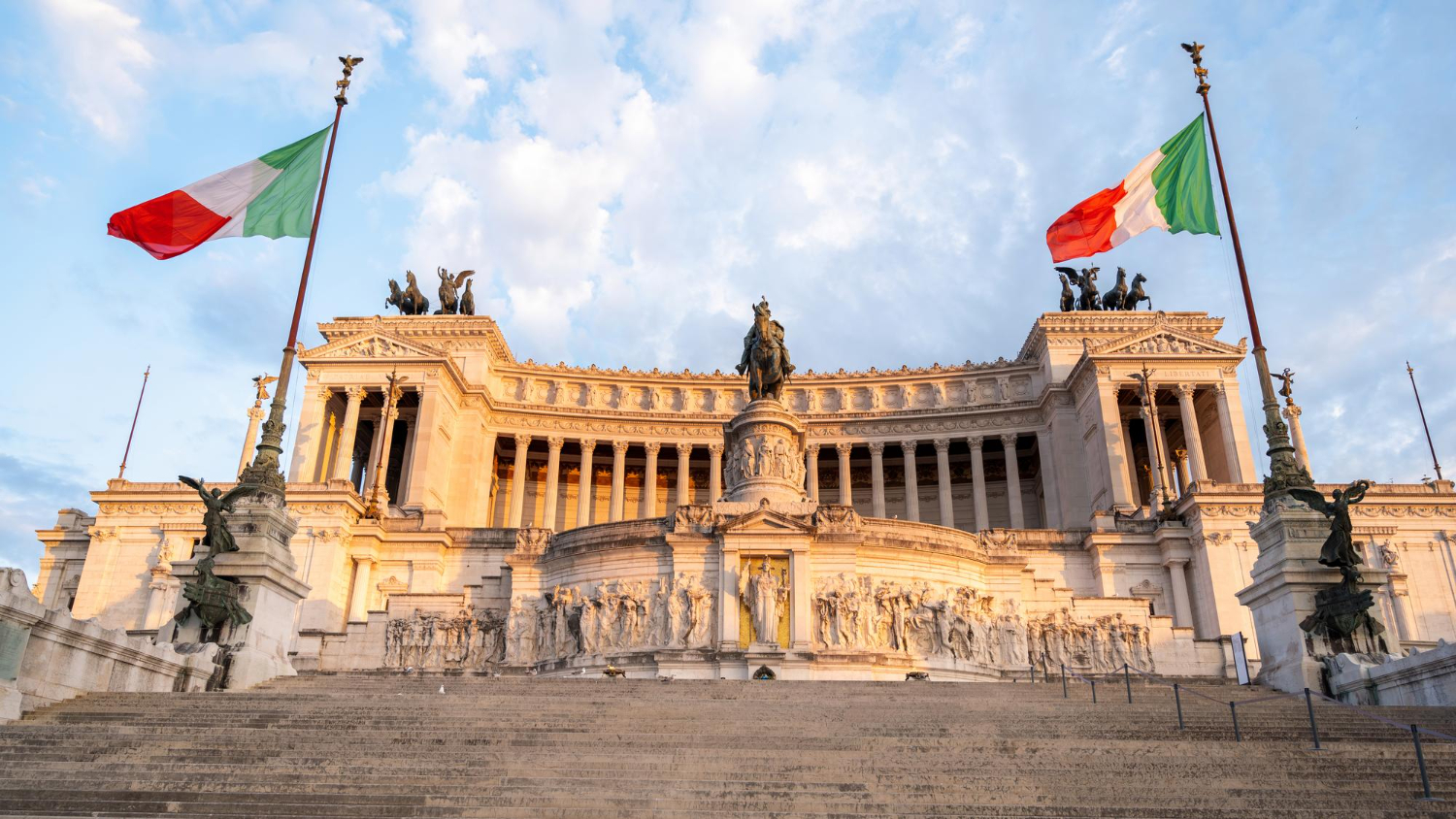
Southern Italy preserves a special magnetism. Traveling across these lands means encountering a territory where history, popular culture, and the flavors of an ancient cuisine intertwine with the blue of the Tyrrhenian Sea. Every stop reveals a different shade: from the vitality of Naples to the serenity of Sorrento, passing through volcanic islands that have turned wellness into a way of life. This is not just any itinerary, but an experience that changes with every glance.
A city that never sleeps
Naples beats to its own rhythm. Its historic center, recognized as a World Heritage Site, is a labyrinth of alleys where façades tell stories of centuries of conquests and resistance. Baroque churches, Renaissance palaces, and improvised markets coexist in a setting that knows no silence. Walking along Spaccanapoli is enough to feel how the sacred and the everyday merge without borders, while the aroma of strong coffee and freshly baked dough makes its way through the noise of motorcycles and conversations.
Viewpoints over the Tyrrhenian
A few kilometers away, Sorrento offers another register. Its balconies suspended over the sea give panoramic views that seem taken from a painting. Calm here has a different flavor: terraces with bougainvillea, citrus gardens, and a gentle breeze that invites you to stay longer than planned. The city presents itself as a refuge, but also as a gateway to the Sorrentine Peninsula and the Amalfi Coast, where every curve of the road unveils impossible cliffs and villages that appear to hang from the sky.
Gastronomy as identity
The cuisine of the South is a calling card that needs no translation. Neapolitan pizza, with its puffed-up crust and the simplicity of basic ingredients, remains the emblem of a tradition recognized worldwide. Local desserts —sfogliatella, babà, pastiera— preserve stories of convents and family ovens that have passed down recipes from generation to generation.
In Amalfi, lemon groves cultivated on steep terraces give life to limoncello, often served as a gesture of welcome. Every dish reflects an intimate relationship with the land and the sea: fresh fish, artisanal pasta, intense olive oils, and wines that capture the essence of the Mediterranean. The real secret, however, is discovered in family-run trattorias where meals are shared as acts of hospitality.
The archipelago of wellness
The Gulf of Naples hides three islands with their own personality. Capri maintains intact the magnetism of its Blue Grotto and the elegant atmosphere of the Piazzetta, where travelers from all over the world cross paths between cafés and boutiques. Procida, with its pastel-colored houses, preserves the seafaring essence that resists mass tourism.
Ischia, the largest, opens a different dimension of travel. Called the green island for its lush vegetation, it combines volcanic mountains, thermal beaches, and gardens seemingly designed for relaxation. Here, wellness is not an addition: it is part of daily life. Sulfur baths, trails crossing Mediterranean forests, and specialized spa centers transform the stay into an experience of renewal. Those who want to integrate that dimension can book on https://www.hotelfloridianaischia.com/en/ , finding a space where thermalism and hospitality blend with the landscape without losing authenticity.
Festivals and living traditions
Beyond the coast, inland villages show how customs still mark the calendar. Religious processions, agricultural fairs, and folk dances gather entire generations in squares where drums and tambourines set the rhythm. These celebrations are not mere spectacles: they are rituals that keep alive the memory of communities that find their greatest strength in the collective.
Every corner contributes a different detail. Vietri sul Mare is known for its artisanal ceramics, Cilento for its olive oil and cheeses still produced in small family farms. In these areas, modernity coexists with the ancestral without displacing it, creating a balance that surprises those who seek authenticity.
A journey that continues upon return
Southern Italy cannot be consumed in a single visit. Every return uncovers an unexplored corner, a new dish, or a local festivity left pending. That impossibility of encompassing it entirely is what makes it so attractive: the certainty that there will always be something left to discover. Among volcanic landscapes, intense flavors, and community rituals, the traveler takes away the impression that the journey does not end upon returning home, but remains open, like a chapter still waiting to be completed.